Ignition coils are a crucial part of your car’s engine. They work like a transformer, converting the low voltage from the battery into the high voltage needed to create a spark in the spark plugs. Without this spark, the engine won’t start or run smoothly.
Over time, ignition coils can wear out or fail, leading to engine misfires, poor fuel economy, and even complete engine failure. Understanding how ignition coils work helps in diagnosing problems early. Each coil is designed to handle high stress, but factors like heat, vibration, and electrical issues can cause them to fail prematurely.
Regular maintenance and knowing the signs of a failing ignition coil can save you from costly repairs. If you notice your car jerking, stalling, or struggling to start, it might be time to check the ignition coils.
How Do Ignition Coils Work?
Ignition coils operate on the principle of electromagnetic induction. When the car’s battery sends 12 volts to the coil, the primary winding creates a magnetic field. When the current is interrupted, the magnetic field collapses, inducing a high-voltage current (up to 45,000 volts) in the secondary winding.
This high voltage is sent to the spark plug, creating the spark needed for combustion. Modern cars often use coil-on-plug (COP) systems, where each spark plug has its own ignition coil. This setup improves efficiency and reduces the chance of misfires.
However, if one coil fails, it only affects one cylinder, unlike older distributor systems where a single bad coil could stop the engine entirely. Keeping the ignition system in good condition ensures smooth engine performance.
Common Symptoms of A Failing Ignition Coil
A failing ignition coil can cause several noticeable problems. One of the most common signs is engine misfiring, which feels like jerking or hesitation during acceleration. You might also see the check engine light turn on, indicating a problem with the ignition system. In some cases, the car may even stall or fail to start.
Other symptoms include poor fuel economy, rough idling, and a lack of power when driving uphill. If you notice a strong smell of gasoline, it could mean unburned fuel is escaping due to incomplete combustion. Ignoring these signs can lead to more severe engine damage, so it’s best to get the coils checked as soon as possible.
- Engine misfires
- Check engine light turns on
- Poor acceleration
- Rough idling
- Increased fuel consumption
What Causes Ignition Coils To Fail?
Ignition coils can fail for several reasons. One of the main causes is excessive heat, which can damage the coil’s internal windings. Since coils are often located near the engine, they are exposed to high temperatures, especially in performance vehicles or during long drives. Over time, this heat weakens the insulation, leading to short circuits.
Another common cause is vibration. The constant shaking from the engine can loosen connections or crack the coil’s casing. Moisture and oil leaks can also damage the coils by causing corrosion or electrical shorts. Using low-quality spark plugs or incorrect voltage can put extra strain on the ignition coils, reducing their lifespan.
You Can Also Read This Cars Battery Replacement in Dubai Warning Signs
The Role of Spark Plugs in Ignition Coil Failure
Spark plugs and ignition coils work together, so bad spark plugs can damage the coils. Worn-out or fouled spark plugs create extra resistance, forcing the ignition coil to work harder. This extra strain can overheat the coil and cause it to fail prematurely. Using the wrong type of spark plugs (too hot or too cold) can also affect performance.
Regularly replacing spark plugs according to the manufacturer’s recommendations helps protect the ignition coils. If you notice black carbon deposits or oil on the spark plugs, it’s a sign that something is wrong with the engine, and the ignition coils might be at risk. Always use high-quality spark plugs that match your car’s specifications.
How Heat Affects Ignition Coils?
Heat is one of the biggest enemies of ignition coils. Since they are mounted on or near the engine, they are constantly exposed to high temperatures. Over time, this heat can break down the insulation inside the coil, leading to short circuits. Performance cars and turbocharged engines generate even more heat, increasing the risk of coil failure.
To prevent heat-related damage, make sure your engine’s cooling system is working properly. A faulty cooling fan or low coolant levels can cause overheating, which harms not just the coils but the entire engine. In extreme cases, heat can melt the coil’s plastic casing, leading to complete failure.
The Impact of Vibration on Ignition Coils
Engines produce a lot of vibration, especially in high-performance or older vehicles. Over time, this vibration can loosen the connections between the ignition coil and the spark plug. Loose connections cause arcing, which damages both the coil and the spark plug. In some cases, the coil’s casing can crack due to constant shaking.
To minimize vibration damage, ensure all coil bolts and mounting brackets are tight. If your engine has excessive vibration, it might be due to worn-out motor mounts or unbalanced components. Fixing these issues can help prolong the life of your ignition coils.
Moisture And Corrosion in Ignition Coils
Moisture can seep into the ignition coil’s housing, especially in humid climates or if the car is often driven in wet conditions. Water causes corrosion on the electrical contacts, leading to poor conductivity and eventual failure. Oil leaks from valve covers can also damage the coils by contaminating the connections.
To prevent moisture damage, check for leaks in the engine bay and ensure all seals are intact. If you live in a rainy area, consider using dielectric grease on the coil connections to repel water. Keeping the engine bay clean and dry helps maintain the ignition system’s health.
Electrical Problems Leading To Coil Failure
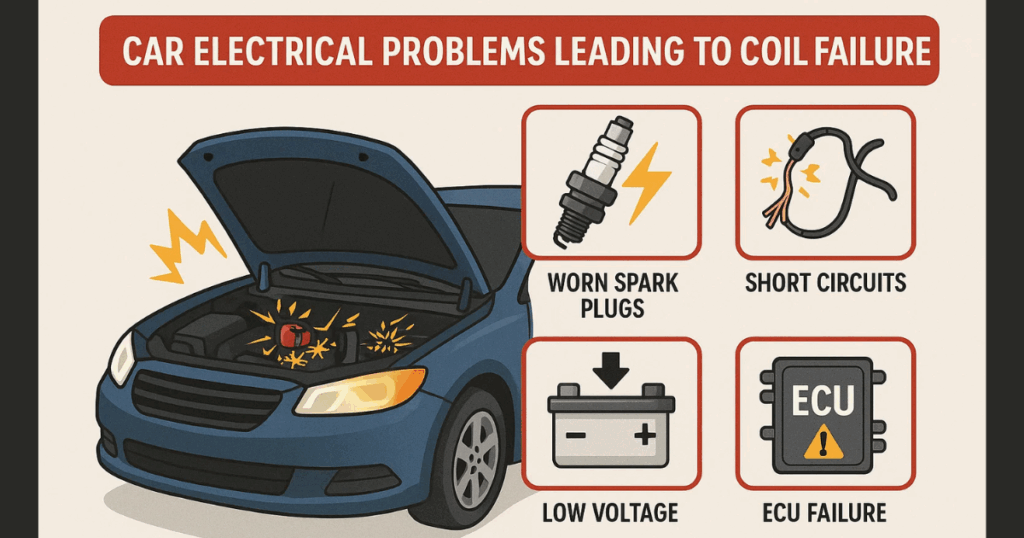
Faulty wiring or voltage irregularities can destroy ignition coils. If the car’s electrical system delivers too much or too little voltage, the coil may overwork or underperform. A bad alternator, weak battery, or damaged wiring can disrupt the power supply, causing the coil to fail prematurely.
- Flickering headlights or dashboard lights
- Difficulty starting the car
- Battery warning light turns on
Regular electrical system checks can prevent these issues. If you suspect an electrical problem, have a professional inspect the battery, alternator, and wiring.
Poor Quality Ignition Coils
Not all ignition coils are made equal. Cheap, low-quality coils often fail quickly because they use inferior materials. OEM (Original Equipment Manufacturer) or reputable aftermarket brands last longer and perform better. Installing cheap coils might save money upfront but can lead to frequent replacements.
Always buy ignition coils from trusted suppliers. If you’re unsure, consult a mechanic or check reviews before purchasing. Investing in high-quality coils ensures better engine performance and longevity.
How Often Should Ignition Coils Be Replaced?
Most ignition coils last between 80,000 to 100,000 miles, but this varies depending on driving conditions. High-performance engines, extreme weather, and poor maintenance can shorten their lifespan. If you experience ignition-related issues before this mileage, it’s best to inspect the coils.
Some manufacturers recommend replacing coils preventatively when changing spark plugs. This ensures optimal performance and reduces the risk of sudden failure. Regular engine diagnostics can help detect weak coils before they cause major problems.
Can You Drive with A Bad Ignition Coil?
Driving with a faulty ignition coil is risky. A misfiring engine can damage the catalytic converter, leading to expensive repairs. Unburned fuel entering the exhaust system can also cause overheating and further engine damage. In extreme cases, the car may stall unexpectedly, creating a safety hazard.
If you suspect a bad coil, get it checked immediately. Replacing a single coil is much cheaper than repairing a damaged catalytic converter or engine.
How To Test An Ignition Coil?
Testing an ignition coil can be done using a multimeter. First, disconnect the coil and measure the primary and secondary resistance. Compare the readings with the manufacturer’s specifications. If the resistance is too high or too low, the coil is faulty.
Another method is swapping coils between cylinders. If the misfire moves to another cylinder, the original coil is likely bad. For accurate diagnostics, professional scan tools can read error codes related to ignition problems.
Cost of Ignition Coil Replacement
The cost of replacing an ignition coil varies depending on the car model and labor rates. On average, a single coil costs between $50 to $250, while labor adds another $50 to $150. Replacing all coils at once can be more cost-effective in the long run.
- Single coil replacement: $100 – $400
- Full set replacement: $300 – $800
Using OEM parts ensures better compatibility and longevity. Always get a quote from a trusted mechanic before proceeding.
Preventing Ignition Coil Failure
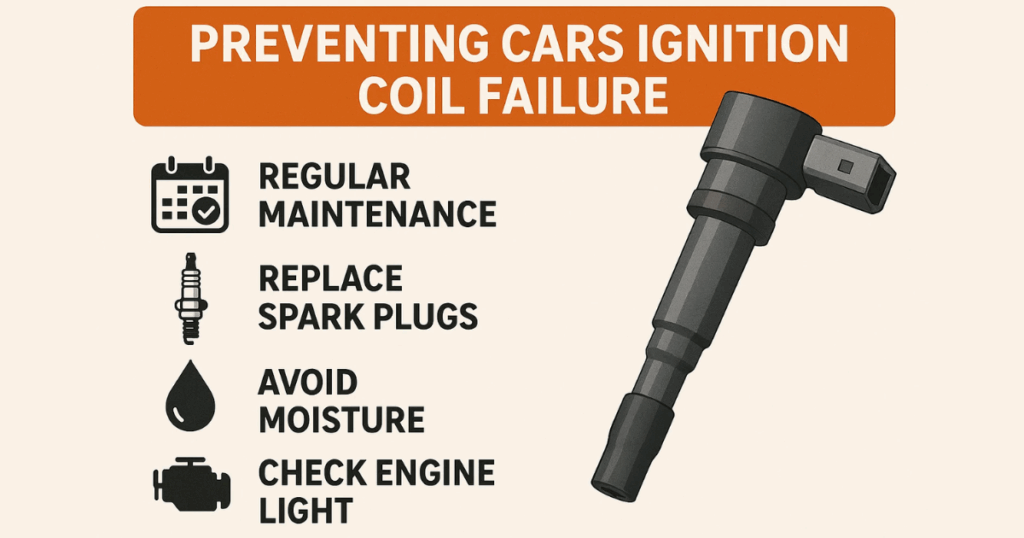
Regular maintenance is key to preventing ignition coil failure. Replace spark plugs on time, check for engine leaks, and ensure the cooling system works properly. Using high-quality fuel and keeping the electrical system in good condition also helps.
- Follow the manufacturer’s maintenance schedule
- Use high-quality spark plugs and coils
- Keep the engine bay clean and dry
- Fix engine misfires immediately
Protone Auto Care Trusted Auto Repair Shop in Dubai
If you’re experiencing ignition coil problems in Dubai, Protone Auto Care in Al Quoz 3 is your go-to solution. Their expert technicians specialize in diagnosing and repairing ignition system issues with precision. Using advanced diagnostic tools, they ensure your car runs smoothly and efficiently.
Protone Auto Care offers high-quality replacement parts and reliable service at competitive prices. Whether you need a single coil replacement or a full ignition system check, their team provides professional and hassle-free service. Visit them today for all your car maintenance needs!
Frequently Asked Questions
How long do ignition coils typically last?
Most ignition coils last between 80,000 to 100,000 miles, but harsh driving conditions can shorten their lifespan.
Can a bad ignition coil damage the engine?
Yes, a failing coil can cause misfires, leading to unburned fuel damaging the catalytic converter and other engine components.
Should I replace all ignition coils at once?
If one coil fails, others may follow soon. Replacing all coils at once can prevent future breakdowns, especially in high-mileage cars.
What’s the average cost to replace an ignition coil?
Depending on the car model, a single coil replacement can cost $100 to $400, including parts and labor.
Conclusion
Ignition coils fail due to heat, vibration, moisture, electrical issues, and poor-quality parts. Regular maintenance, using high-quality components, and addressing engine problems early can extend their lifespan. If you’re in Dubai and need professional ignition coil services, visit Protone Auto Care in Al Quoz 3 for reliable and expert car repairs. Don’t ignore ignition problems timely repairs save money and keep your car running smoothly!