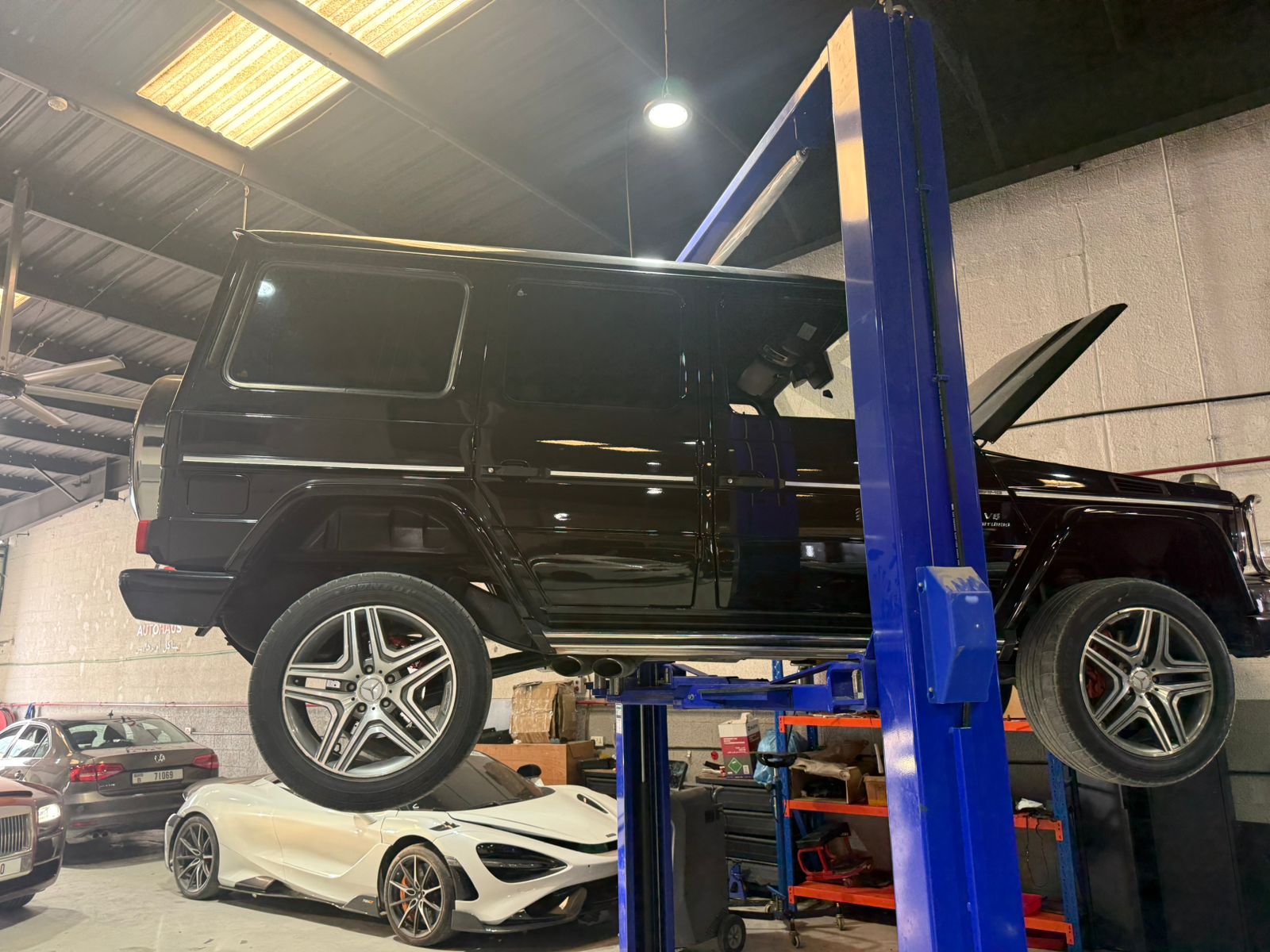
Dubai is known for its luxury cars and strict road safety regulations. To ensure all vehicles meet safety and environmental standards, the Roads and Transport Authority (RTA) conducts mandatory inspections. Whether you’re a new driver or a long-time resident, passing the RTA inspection can be challenging.
This guide provides detailed tips, hacks, and expert advice to help you pass your car inspection smoothly. RTA inspections are mandatory for all vehicles in Dubai to ensure they meet safety and environmental standards. The inspection checks various components, including brakes, lights, tires, and emissions.
The inspection process involves both computerized and manual checks. Vehicles older than three years must undergo annual testing, while newer cars may have different requirements.
Why RTA Inspections Are Important?
RTA inspections ensure that all vehicles on Dubai’s roads are safe and environmentally friendly. Faulty brakes, worn-out tires, or excessive emissions can lead to accidents and pollution. The inspections help reduce road accidents and maintain air quality standards in the city.
Additionally, passing the RTA inspection is necessary for renewing your vehicle registration. Without a valid inspection certificate, you cannot legally drive your car in Dubai. Regular maintenance and timely repairs can help you pass the test effortlessly.
rta vehicle testing checklist
The RTA Vehicle Testing Checklist in Dubai is a mandatory procedure to ensure roadworthiness and safety compliance. All vehicles, especially those over three years old, must undergo annual inspections. The checklist includes checks on brakes, suspension, lights, tyres, and steering systems.
Emissions are also tested to meet environmental standards. A valid vehicle registration requires passing this test at authorized RTA-approved centers. Commercial vehicles may face more frequent inspections.
Any modifications must comply with regulations to avoid test failure. Failing the test requires repairs and retesting before the vehicle can be legally driven. Paying attention to Car Brake Failure Warning Signs is vital, and check safety risks during inspection.
Common Reasons for Failing RTA Inspections
Many vehicles fail due to minor issues that could have been fixed beforehand. Some common reasons include:
- Faulty lights (headlights, brake lights, indicators)
- Worn-out tires (low tread depth, cracks, or bulges)
- Excessive smoke emissions (dirty air filters or engine problems)
- Brake system failures (worn brake pads or fluid leaks)
Another major reason for failure is suspension issues or steering problems. If your car makes unusual noises or pulls to one side, get it checked before the inspection. Ignoring these problems can lead to immediate failure.
How to Prepare Your Car for RTA Inspection?
Start by checking all lights, including headlights, brake lights, and indicators. Replace any burnt-out bulbs. Ensure your windshield wipers are functional and your windshield is free from cracks. Dirty or damaged windows can also lead to failure.
Next, inspect your tires for proper tread depth (minimum 1.6mm) and inflation. Check for any leaks under the car, including oil or coolant. A well-maintained engine with clean oil and filters will help pass the emissions test.
Essential Checks Before the Inspection Day
Before heading to the inspection center, test your brakes for responsiveness. If the pedal feels soft or the car pulls to one side, you may need brake repairs. Also, ensure your horn is working, as a non-functional horn can result in failure.
Check your car’s suspension by pressing down on each corner. If the car bounces excessively, the shocks may need replacement. Additionally, ensure your registration papers, insurance, and Emirates ID are ready for verification.
Role of Emissions Testing in RTA Inspections
Emissions testing is crucial in Dubai to control air pollution. The test measures the levels of harmful gases like CO2 and NOx. A well-maintained engine with clean filters and proper fuel combustion will pass easily.
If your car emits excessive smoke, it may indicate engine problems. Regular servicing, using high-quality fuel, and fixing exhaust leaks can help reduce emissions. Diesel vehicles must meet stricter standards, so ensure your diesel car is well-tuned.
How to Pass the Brake Test For RTA?
The brake test checks stopping power and balance. Worn brake pads, leaking fluid, or uneven braking can cause failure. Listen for squeaking or grinding noises, which indicate worn-out pads.
If your car pulls to one side when braking, the calipers may be stuck. Regular brake fluid flushes and pad replacements ensure optimal performance. Always test your brakes before the inspection to avoid surprises.
Importance of Tire Condition in Inspections
Tires must have sufficient tread depth (1.6mm minimum) and no visible damage. Bald or cracked tires are a safety hazard and will result in failure. Ensure all tires are the same size and properly inflated.
- Check tire pressure (refer to the manufacturer’s recommendation)
- Look for uneven wear (may indicate alignment issues)
- Avoid mixing different tire brands (can affect handling)
Suspension and Steering Checks For RTA
Faulty suspension can lead to a bumpy ride and poor handling. If your car leans excessively in turns or bounces too much, the shocks may need replacement. Steering should be responsive without unusual noises.
Loose steering or vibrations at high speeds indicate alignment or wheel balance issues. Get a wheel alignment and balancing done before the inspection to avoid failure.
Handle Electrical System Failures For Rta
A dead battery or faulty alternator can cause electrical failures. Check your battery voltage (should be around 12.6V when fully charged). Clean corroded terminals and ensure all fuses are intact.
Non-functional power windows, AC, or dashboard lights can also lead to failure. Fix any electrical issues beforehand to avoid last-minute surprises.
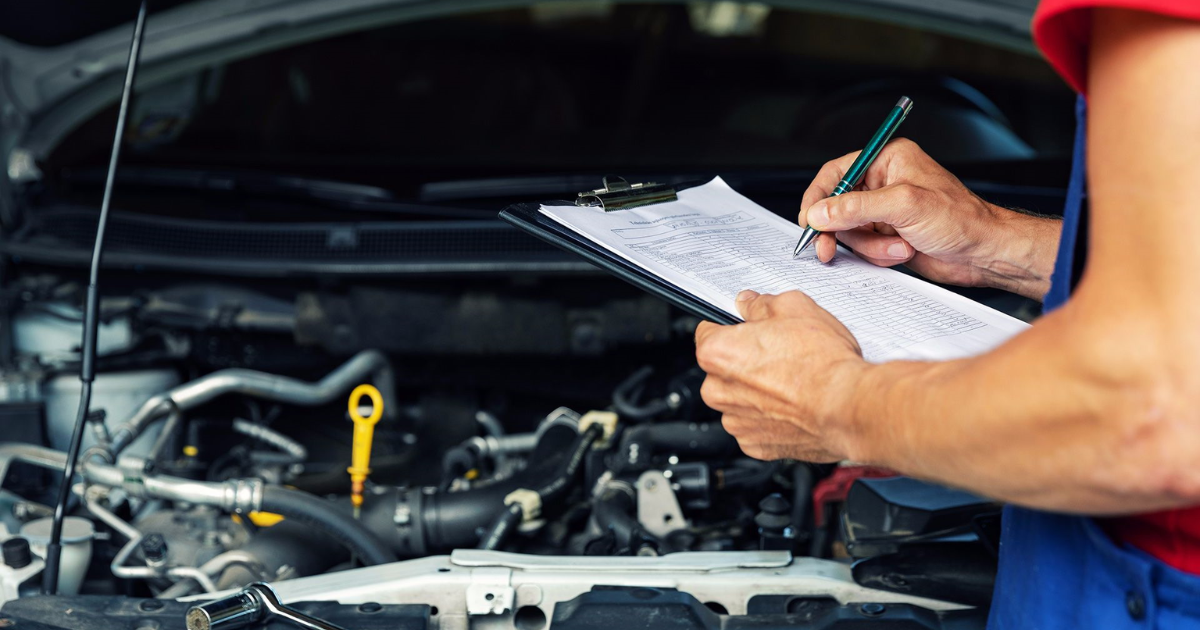
The Impact of Car Modifications on Inspections
Unauthorized modifications like dark window tints, loud exhausts, or engine tuning may lead to failure. Dubai has strict rules on modifications, so ensure any changes comply with RTA regulations.
If you’ve modified your car, get it approved by RTA before the inspection. Illegal modifications can result in fines or rejection.
Choosing the Right Inspection Center in Dubai
Dubai has multiple RTA-approved testing centers. Some offer express services for quicker results. Popular centers include:
- Al Barsha Testing Center
- Deira Testing Center
- Tasjeel Centers
Choose a center with good reviews and less waiting time. Some centers provide pre-inspection checks to help identify issues beforehand.
Benefits of Pre-Inspection Car Servicing
A full car service before inspection increases your chances of passing. Mechanics can spot and fix hidden issues like engine leaks or worn-out belts. Regular servicing also extends your car’s lifespan.
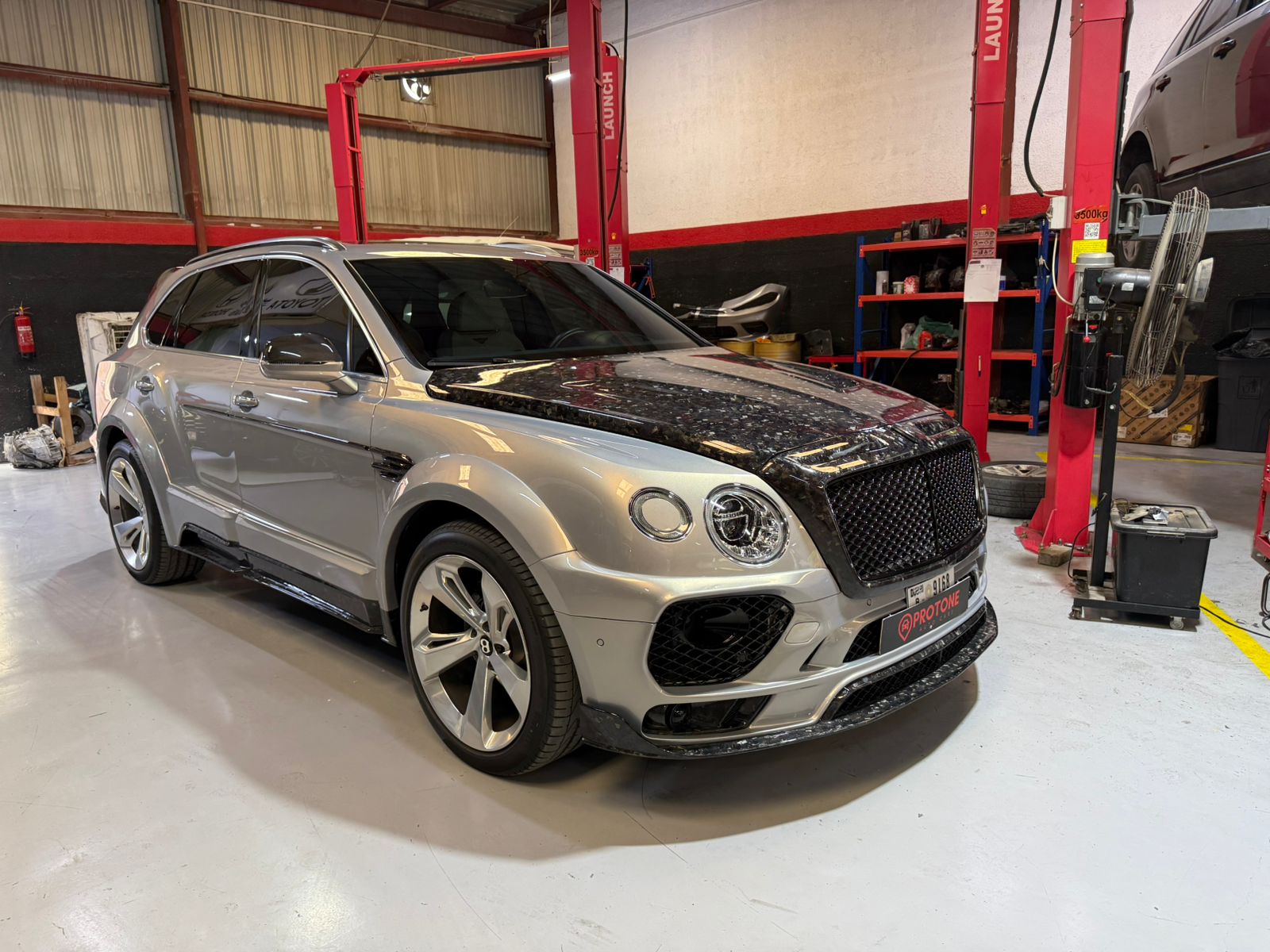
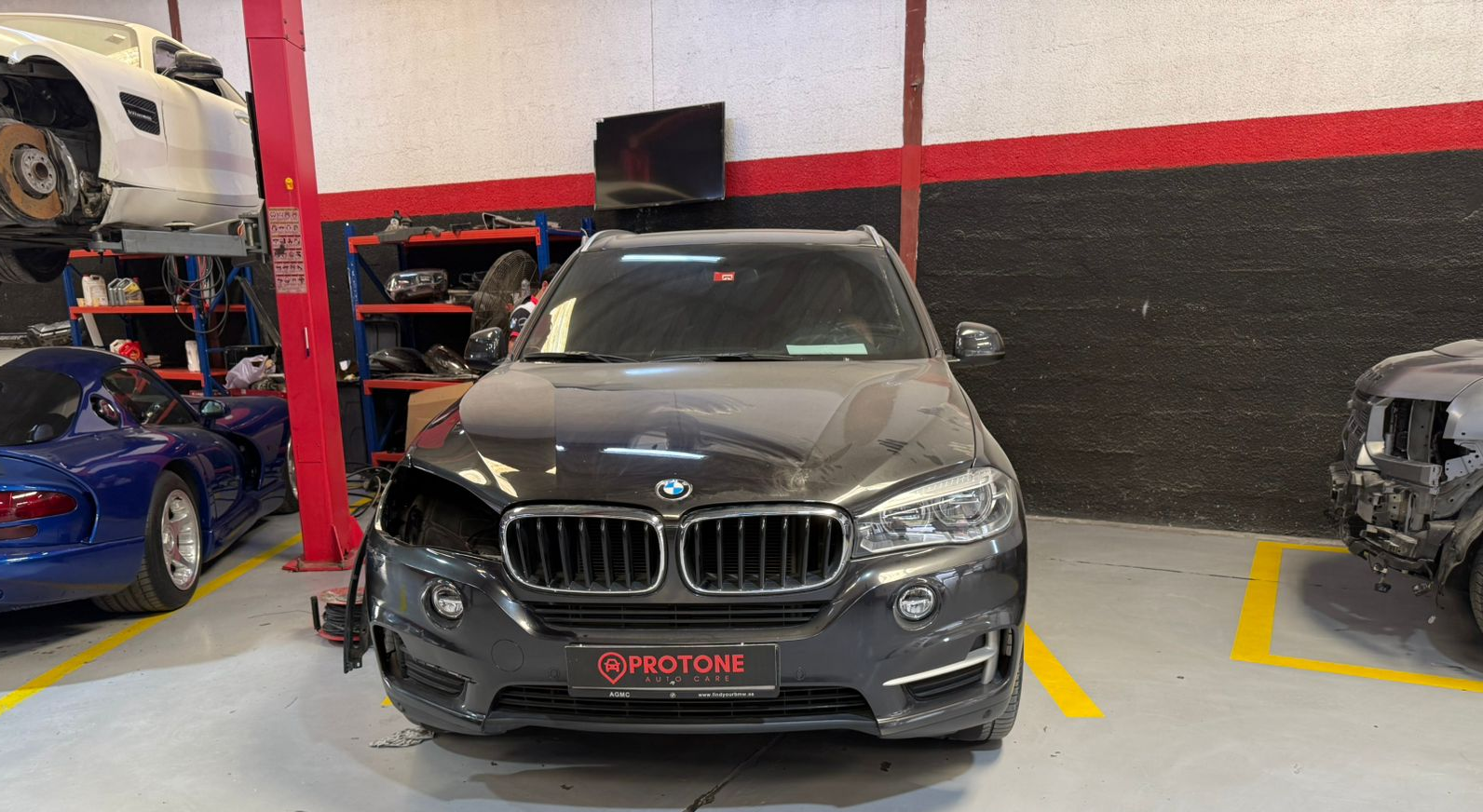
Proton Auto Care in Al Quoz 3, Dubai, offers comprehensive pre-inspection checks. Their expert technicians ensure your car meets all RTA standards before the official test.
What to Do If Your Car Fails the Inspection?
If your car fails, the report will list the reasons. You have 30 days to fix the issues and return for a re-test. Some centers offer free re-tests within a certain period.
Address major issues first, such as brakes or emissions. Minor fixes like replacing a bulb can be done quickly. Keep all repair receipts as proof.
Tips to Pass RTA Inspection in First Attempt
- Regular maintenance is key—don’t wait until the last minute.
- Fix minor issues like cracked windshields or worn wipers early.
- Use a trusted garage like Proton Auto Care for professional checks.
Following these tips will save you time, money, and stress. A well-maintained car ensures safety and smooth RTA approval.

Frequently Asked Questions
How often do I need an RTA inspection in Dubai?
- New cars (under 3 years): No inspection required.
- Cars (3-5 years): Inspection every year.
- Cars (over 5 years): Inspection every 6 months.
Can I drive my car if it fails the RTA test?
No, driving a failed car is illegal. You must fix the issues and pass the re-test within 30 days.
How much does an RTA inspection cost in Dubai?
Prices vary but usually range from AED 120 to AED 170, depending on the vehicle type.
Where is the best place for pre-inspection checks?
Proton Auto Care in Al Quoz 3, Dubai, offers reliable pre-inspection services to ensure your car passes smoothly.
Conclusion
Passing the RTA inspection in Dubai requires proper preparation and Routine Car Maintenance. By following the tips in this guide, you can avoid common failures and ensure a smooth process.
For professional assistance, visit Proton Auto Care in Al Quoz 3, Dubai, where expert technicians will help you get your car inspection-ready. Drive safe and stay compliant with Dubai’s road regulations!