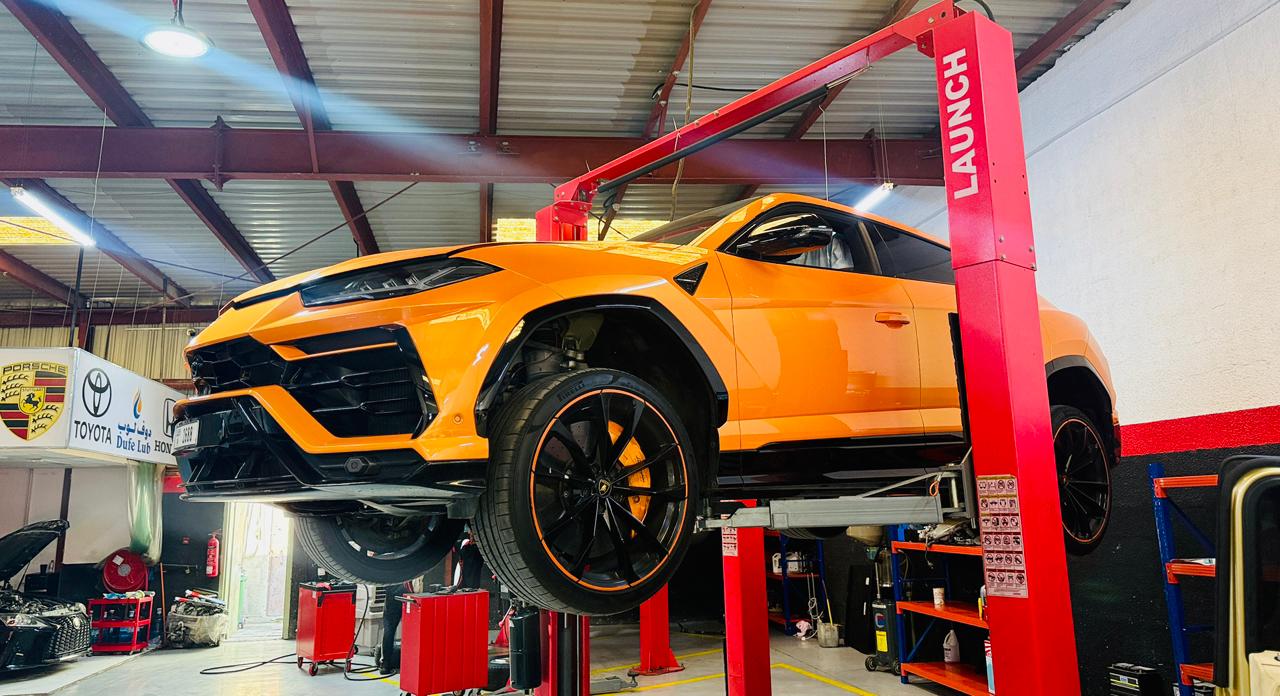
The Lamborghini Urus is a powerful luxury SUV known for its strong performance, quick acceleration, and sporty engine sound. Its 4.0-litre twin-turbo V8 engine delivers an exciting driving experience, but unusual engine noises should never be ignored. A ticking sound, knocking noise, rattling, or high-pitched whine can sometimes indicate a mechanical problem that needs attention.
Dubai’s hot weather, heavy traffic, and dusty conditions can put extra pressure on a vehicle’s engine and cooling system. If your Lamborghini Urus starts making a sound that you have not noticed before, it is important to understand what might be causing it. This guide explains common engine noises, their possible causes, how mechanics diagnose them, and when to seek professional Lamborghini repair garage in Dubai.
What Does a Normal Lamborghini Urus Engine Sound Like?
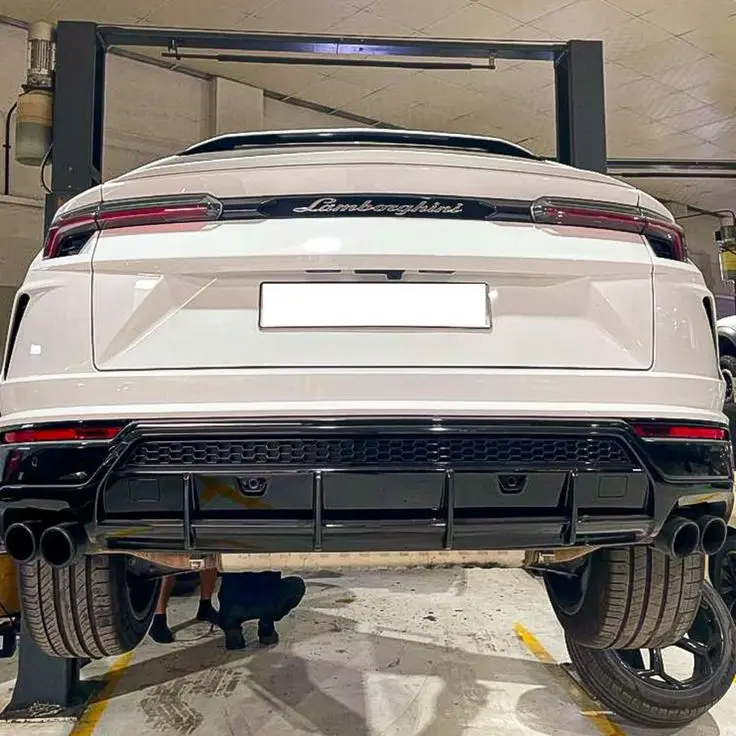
The Lamborghini Urus has a powerful V8 engine with two turbochargers. Some mechanical sounds are normal, including light injector ticking, turbocharger noises, and changes in the exhaust note during acceleration.
However, a new or unusually loud sound may indicate a problem. For example, a repeated metallic knock, a loud rattle during startup, or a whining noise that becomes stronger with engine speed deserves attention.
The important thing is to notice when the noise occurs. Does it happen when starting the engine, while idling, during acceleration, or after the engine becomes hot? These details can help a mechanic identify the source more accurately.
Common Lamborghini Urus Engine Noises and Their Causes
Different engine noises can point to different problems. The sound alone cannot confirm a fault, but it can help guide the inspection.
1. Ticking Noise From the Engine
A light ticking sound may come from the fuel injectors or normal valvetrain operation. These components can produce mechanical sounds even when the engine is working correctly.
However, a louder or persistent ticking noise may be related to low engine oil, incorrect oil specification, a lubrication problem, or worn engine components.
If the ticking becomes louder over time or continues after the engine warms up, arrange an inspection. Checking the oil level, oil condition, and engine data can help determine whether the noise is normal or requires repair.
2. Rattling Noise During Cold Starts
Some Lamborghini Urus owners may notice a brief rattle when starting the vehicle after it has been parked for a long time. A short sound does not automatically mean the engine is damaged, but repeated or prolonged rattling should be checked.
Possible causes include timing system components, oil pressure problems, loose covers, or exhaust heat shields. The exact cause depends on the location, duration, and character of the sound.
Avoid repeatedly revving the engine to make the noise disappear. A mechanic should inspect the vehicle and check the lubrication system before recommending any major engine repair.
3. Knocking Noise During Acceleration
A deep knocking sound during acceleration is more concerning than a light ticking noise. It can be associated with abnormal combustion, fuel quality, ignition problems, or internal engine wear.
The Urus is a high-performance vehicle, so using the correct fuel and following the manufacturer’s maintenance requirements are important. A mechanic may need to examine fault codes, ignition timing, fuel delivery, and engine operating data to find the cause.
If the knocking is loud, persistent, or accompanied by a loss of power or an oil pressure warning, switch off the engine when safe and arrange vehicle recovery. Continuing to drive could cause serious damage.
4. Whining Noise From the Engine Bay
A whining sound that changes with engine speed may come from an accessory drive component, a pump, or another rotating part. Turbocharger-related noises are also possible on the Urus because of its twin-turbo engine.
If the sound appears alongside reduced acceleration, smoke, warning lights, or unusual exhaust noise, the vehicle should be inspected promptly.
A proper diagnosis can include checking the accessory belt system, listening to individual components, examining the turbocharger system, and scanning the engine control unit for relevant faults.
5. Hissing or Air-Leak Noise
A hissing sound may indicate an air leak in the intake or turbocharger plumbing. Loose connections, damaged hoses, or leaking seals can affect how the engine receives and manages air.
Possible symptoms include reduced power, uneven acceleration, a check-engine light, or unusual turbocharger behaviour.
A workshop can inspect the intake and boost system and perform appropriate leak tests. Finding the source early can help prevent further problems and restore normal engine performance.
Why Dubai’s Weather Can Affect Lamborghini Urus Engine Performance
Dubai’s climate can make vehicle maintenance particularly important, especially for high-performance SUVs.
Extreme heat: High ambient temperatures increase the demand on the cooling system. If coolant levels are low or a cooling component is faulty, the engine may overheat.
Dust and sand: Fine dust can collect around cooling components and air intake areas. Restricted airflow or neglected filters can affect engine performance and cooling efficiency.
Stop-and-go traffic: Frequent idling and slow-moving traffic can increase the time the engine and cooling system spend operating under demanding conditions.
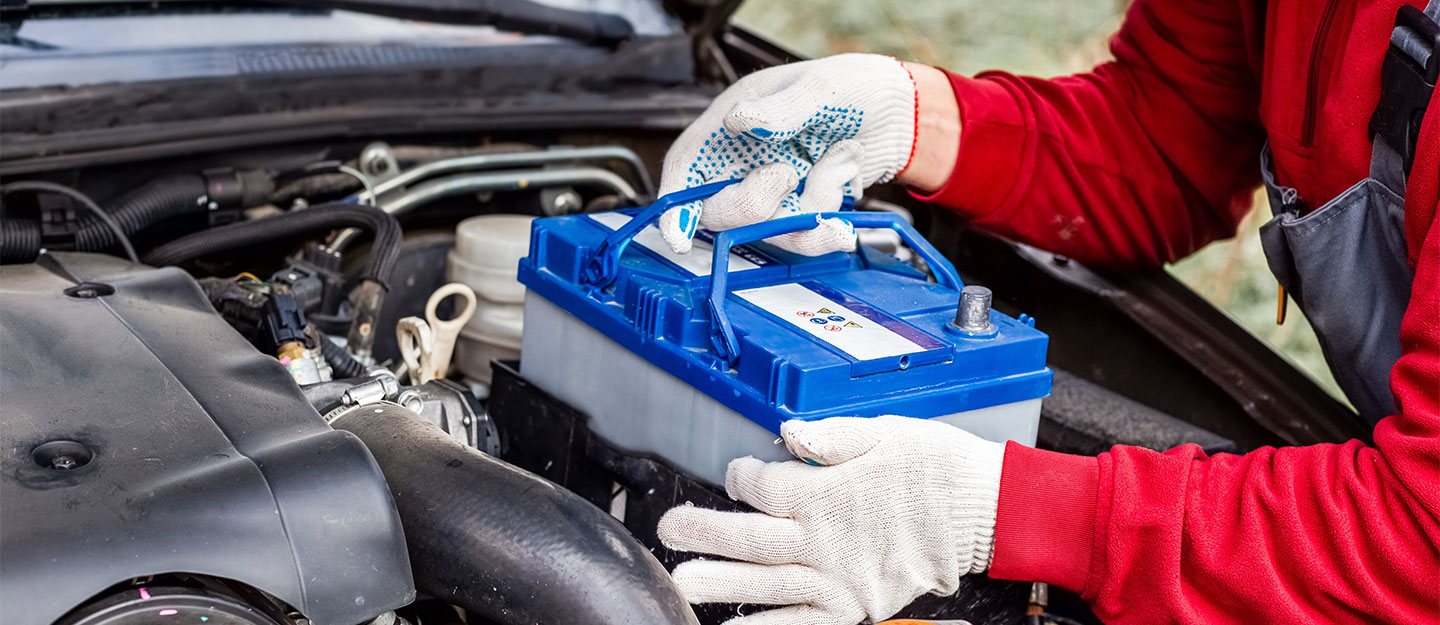
Long periods without driving: A Lamborghini Urus that remains parked for weeks or months may develop battery issues, fluid-related concerns, or problems associated with prolonged storage.
These conditions do not mean every Urus will develop engine noise. However, regular maintenance and timely inspections can help identify developing faults before they become more expensive to repair.
How Is Lamborghini Urus Engine Noise Diagnosed?
Finding the real cause of an unusual engine sound requires more than simply listening to the engine. Different problems can produce similar noises, so a systematic inspection is important.
A professional mechanic may follow these steps:
- Discuss the symptoms: The mechanic checks when the noise starts, whether it occurs during cold starts, and whether it changes with engine speed or acceleration.
- Inspect engine oil and coolant: The oil level, oil condition, coolant level, and any visible leaks are checked according to the manufacturer’s procedures.
- Scan the vehicle: Suitable diagnostic equipment is used to read fault codes and examine relevant engine data.
- Inspect the engine bay: Hoses, belts, intake connections, exhaust components, and accessible mounting points are checked for damage or looseness.
- Carry out further testing: Depending on the findings, the mechanic may perform pressure tests, inspect turbocharger-related components, or investigate internal engine parts.
Once the source of the noise is identified, the mechanic can explain the required repair and provide an estimate before work begins.
What Repairs May Be Needed?
The repair depends on the underlying fault. Not every engine noise requires major engine work.
For example, a loose heat shield may only need to be secured or replaced. An intake leak may require a damaged hose or seal to be repaired. A lubrication problem may require an oil and filter service using the correct specification, while a faulty accessory or turbocharger component may need further testing and replacement.
More serious internal engine problems require detailed diagnosis and careful repair planning.
For Lamborghini Urus engine repair in Dubai, it is best to avoid replacing parts based only on the sound. An accurate diagnosis can help prevent unnecessary costs and ensure that the actual problem is addressed.
How to Prevent Engine Noise in Your Lamborghini Urus
Good maintenance can help keep your Lamborghini Urus running smoothly and reduce the risk of avoidable mechanical problems.
- Follow the recommended engine oil and filter service schedule.
- Use the oil specification and fuel grade recommended for your vehicle.
- Check coolant levels and pay attention to any temperature warnings.
- Allow the engine to warm up appropriately before demanding high performance.
- Avoid hard acceleration when the engine is cold.
- Have warning lights, oil leaks, and unusual noises checked promptly.
- Follow the manufacturer’s guidance when storing the vehicle for long periods.
- Arrange regular inspections, especially if the SUV is driven frequently in Dubai traffic.
These simple habits can help protect engine components and maintain the performance expected from a luxury SUV.
When Should You Stop Driving Your Lamborghini Urus?
Some noises may be minor, but others can indicate a serious fault. Knowing when to stop driving can help protect both the vehicle and its occupants.
If you notice a loud metallic knock, a red oil pressure warning, rising engine temperature, smoke, or a sudden loss of power, stop the vehicle somewhere safe and switch off the engine. Do not continue driving to test whether the noise disappears. Arrange professional assistance or recovery.
If the sound is mild and there are no warning lights or performance changes, arrange an inspection soon rather than ignoring it. A mechanic can determine whether the vehicle is safe to drive.
Lamborghini Urus Engine Noise Repair in Dubai at Protone Auto Care
An unusual engine sound can be worrying, particularly when it comes from a high-performance SUV like the Lamborghini Urus. The best approach is to identify the cause early instead of assuming that every noise is normal or replacing parts without proper testing.
Protone Auto Care provides automotive repair and maintenance services in Dubai. If your Lamborghini Urus develops a ticking, rattling, knocking, or whining noise, arrange a professional inspection to help identify the problem and determine the appropriate repair.
For reliable Lamborghini repair workshop in Dubai, timely diagnosis, correct maintenance, and suitable replacement parts can help protect engine performance and reduce the risk of further damage.
Visit Protone Auto Care to learn more about its automotive services and discuss your vehicle’s repair requirements.