Owning an Aston Martin is about more than driving a luxury sports car. Models such as the Vantage, DB9, DBS, Vanquish, Rapide, DB11 and DBX combine high-performance engines, sophisticated electronics, premium interiors and advanced suspension systems. That engineering delivers an exceptional driving experience—but it also means that neglected maintenance can become expensive quickly.
The good news is that most Aston Martin problems are manageable when they are identified early. Warning lights, unusual noises, fluid leaks, rough gear changes, battery issues and changes in engine performance should not be ignored.
In this guide, We cover common Aston Martin problems, what symptoms to watch for, why they happen and when professional diagnosis is recommended. We also explain why choosing a specialist Aston Martin garage in Dubai can make a difference when your car needs maintenance or repair.

1. Aston Martin Battery and Electrical Problems
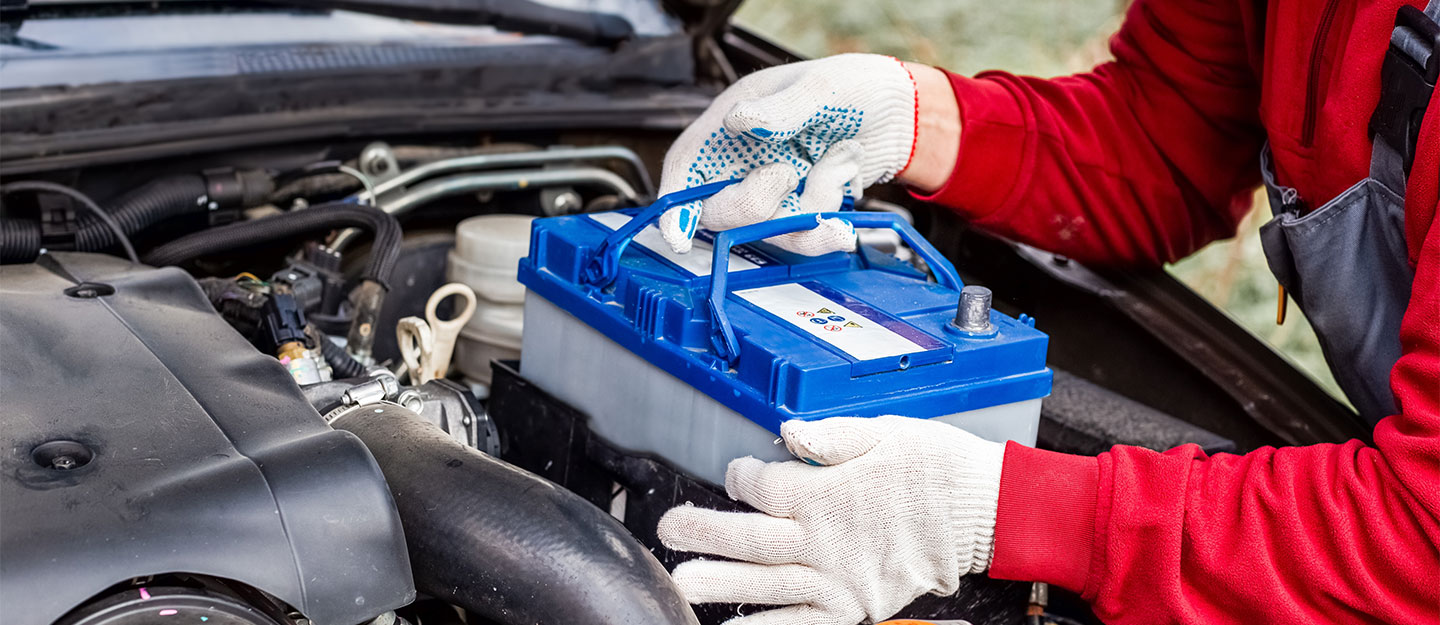
Electrical issues are among the faults that Aston Martin owners should take seriously, particularly on cars that spend long periods parked. A weak or ageing battery can cause a surprisingly wide range of symptoms. You may experience slow starting, warning messages, intermittent electrical faults, malfunctioning convenience features or a vehicle that refuses to start.
Modern Aston Martins depend on numerous electronic control modules, so low battery voltage can sometimes create multiple warning messages at once.
Common symptoms
- Slow or difficult starting
- Battery warning light
- Multiple dashboard warning messages
- Intermittent electrical functions
- Key or locking problems
- Infotainment glitches
- Vehicle going into a low-power state
A battery should not simply be replaced whenever a warning appears. A proper diagnostic inspection should establish whether the battery, charging system, connections or another electrical component is responsible.
2. Check Engine Light and Engine-Management Faults
A check engine light does not automatically mean that an Aston Martin has suffered a major engine failure. The warning can be triggered by problems involving sensors, ignition components, fuel delivery, emissions systems, air intake or other engine-management components.
For example, modern Vantage models use sophisticated engine electronics, and documented issues can include ignition-related faults. Autocar notes that coil-pack failure can occur on the 2018–2024 Vantage, with water ingress being one possible cause.
Symptoms to watch for
- Check engine light
- Engine misfire
- Rough idle
- Reduced acceleration
- Poor fuel economy
- Hesitation under acceleration
- Limp-home mode
The correct approach is to scan the vehicle and diagnose the underlying fault rather than simply clearing the warning light.
3. Oil Leaks and Fluid Leaks
Fluid leaks are particularly important on a high-performance luxury car. Oil around the engine, transmission fluid underneath the vehicle, coolant residue or other unexplained fluid should be investigated before the problem becomes more serious.
On older Aston Martin models, engine-related sealing issues have been documented. For example, Autocar’s DB9 buying information highlights potential timing-cover seal problems and recommends checking for signs of leakage.
Possible warning signs
- Oil spots underneath the car
- Low engine-oil level
- Burning-oil smell
- Oil around engine components
- Transmission-fluid leakage
- Coolant loss
- Fluid warning messages
A small leak can become a major repair if it is ignored. During routine servicing, technicians should inspect the engine, gearbox, cooling system and surrounding components for signs of fluid loss.
4. Cooling-System Problems and Engine Overheating
Aston Martin engines generate significant heat, especially during performance driving and in Dubai’s hot climate. The cooling system has to maintain the correct operating temperature under demanding conditions. Problems with coolant levels, hoses, radiators, thermostats, pumps or other cooling components can cause overheating.
Symptoms include
- Temperature gauge rising
- Coolant warning
- Coolant smell
- Visible coolant leakage
- Engine running hotter than normal
- Cooling fan operating unusually often
- Reduced performance
Never continue driving an overheating performance car simply because it still starts and moves. Excessive heat can turn a relatively manageable cooling-system repair into a much more expensive engine repair.
5. Gearbox and Transmission Problems
Aston Martin has used different transmission systems across its model range and generations, so gearbox behaviour can vary considerably. Older Vantage models, for example, used automated manual Sportshift systems, while newer cars use more modern automatic transmissions. A gearbox that hesitates, slips, bangs into gear or behaves inconsistently should be inspected.
Common transmission symptoms
- Jerky gear changes
- Delayed engagement
- Hesitation between gears
- Difficulty selecting a gear
- Transmission warning message
- Unusual gearbox noises
- Fluid leakage
On the 2018–2024 Vantage, Autocar specifically advises owners to watch for jerky or hesitant shifts from the eight-speed ZF automatic; sluggish downshifts may also be software-related. Diagnosis should include the transmission fluid condition, mechanical components, electronic control system and relevant software or adaptation values.
6. Clutch Wear and Clutch-Related Problems
Manual Aston Martins and some automated-manual models can develop clutch wear, particularly when the car has been driven heavily in traffic or performance conditions. A worn clutch may initially feel like a minor inconvenience, but continued use can affect drivability and potentially place additional strain on related components.
Signs of clutch wear
- Clutch slipping
- High engagement point
- Difficulty selecting gears
- Shudder during take-off
- Burning smell
- Poor acceleration despite rising engine RPM
Older Vantage buyer guidance from the Aston Martin Owners Club also identifies clutch replacement as a significant maintenance consideration on these cars. A clutch inspection is especially important when buying a used Aston Martin.
7. Suspension and Steering Problems
Aston Martin’s suspension and steering systems are critical to the car’s handling, ride quality and stability. Wear in control arms, bushes, shocks, steering components or other suspension parts can gradually change how the vehicle feels.
Look out for
- Knocking over bumps
- Uneven tyre wear
- Steering vibration
- Pulling to one side
- Loose steering feel
- Poor ride quality
- Excessive body movement
- Suspension warning messages
Suspension faults should not be judged only by noise. A complete inspection can identify worn components before they affect tyre wear or handling.
8. Brake Wear and Brake-System Faults
Aston Martins are performance vehicles, so their braking system needs to remain in excellent condition. Brake pads and discs are wear components, meaning replacement is a normal part of ownership. However, vibration, grinding or a change in braking performance should never be treated as normal wear.
Warning signs
- Brake squealing
- Grinding
- Steering-wheel vibration during braking
- Longer stopping distance
- Brake warning light
- Pulling during braking
- Uneven pad wear
A professional brake inspection should check pads, discs, calipers, brake fluid and the relevant electronic systems. Protone Auto Care lists Aston Martin brake inspection, brake-pad replacement, disc replacement and other brake services among its Aston Martin repair capabilities.
9. Air-Conditioning Problems
For Aston Martin owners in Dubai, air-conditioning performance is not a luxury—it is essential. An AC system that stops producing cold air can be caused by low refrigerant, leaks, compressor problems, condenser issues, electrical faults or other components within the climate-control system.
Common AC symptoms
- Warm air from vents
- Weak airflow
- Intermittent cooling
- Unusual AC noises
- Unpleasant cabin smell
- Compressor cycling incorrectly
- Different temperatures from different vents
If the AC is gradually becoming weaker, do not assume that simply adding refrigerant will solve the problem. Refrigerant loss can indicate a leak that needs to be located and repaired. Protone provides Aston Martin AC inspection and repair, including gas-related service, leak-related diagnosis and compressor checks.
10. Fuel-System Problems
Fuel-delivery problems can affect performance, starting and fuel economy.
Depending on the Aston Martin model and engine, possible faults may involve fuel pumps, injectors, sensors, fuel pressure or related components.
Symptoms can include
- Difficult starting
- Engine hesitation
- Poor acceleration
- Rough running
- Reduced fuel economy
- Engine misfire
- Check engine light
A fuel problem can sometimes feel similar to an ignition or engine-management problem. That is why proper diagnostics are important before replacing expensive components.
11. Exhaust and Active-Exhaust Problems
Many Aston Martin models are designed to deliver a distinctive exhaust note, and some use electronically controlled exhaust valves. An exhaust valve or actuator problem can change the sound of the vehicle or cause abnormal operation.
Possible symptoms
- Exhaust remains unusually quiet
- Exhaust remains loud at all times
- Rattling from the exhaust
- Warning messages
- Uneven exhaust sound
- Visible exhaust damage
An exhaust inspection should also check for leaks, damaged components and loose hardware. A change in exhaust sound does not always mean the engine has a problem, but it should be investigated if it appears suddenly.
12. Corrosion and Body-Panel Damage
Aston Martin’s lightweight construction and premium bodywork require specialist attention when damaged. Older DB9 information, for example, notes that corrosion can occur around body-panel edges, including areas such as door bottoms, boot edges and wheel arches. Stone chips can also become more than a cosmetic issue if damage is left untreated.
Inspect for
- Bubbling paint
- Paint lifting
- Corrosion around panel edges
- Stone-chip damage
- Poor previous accident repairs
- Uneven panel gaps
- Paint mismatch
Because Aston Martin body panels and construction methods can require specialist repair techniques, poor-quality accident repairs may reduce the vehicle’s appearance and value.
13. Interior Wear, Squeaks and Trim Problems
An Aston Martin’s cabin uses premium materials, but age and use can still produce wear. Older DB9 reliability information has reported interior squeaks and rattles, electrical equipment faults and wear to premium trim.
Common interior issues
- Dashboard rattles
- Door or trim squeaks
- Worn leather
- Seat adjustment faults
- Window-switch problems
- Failing interior electronics
- Loose trim
These problems may not affect the engine or drivability, but they can significantly affect the ownership experience of a luxury vehicle. Leather conditioning and careful interior maintenance can also help preserve the cabin.
14. Infotainment, Sensors and Electronic Faults
Aston Martin vehicles contain numerous electronic systems, sensors and control modules. Depending on the model and year, owners may encounter problems with infotainment, navigation, parking sensors, tyre-pressure monitoring, seat controls or other electronic equipment. Older DB9 information, for example, reports issues involving the audio system and tyre-pressure monitoring.
Symptoms may include
- Screen freezing
- Navigation problems
- Audio-system failure
- Parking-sensor faults
- Incorrect warning messages
- TPMS warnings
- Seat-control problems
Electronic faults can be difficult to diagnose without suitable diagnostic equipment. Replacing parts based only on symptoms can become unnecessarily expensive.
15. Tyres, Wheel Alignment and Handling Issues
Tyres are one of the most important components affecting an Aston Martin’s handling and braking performance. Incorrect alignment, worn suspension components, incorrect tyre pressures or uneven tyre wear can change the way the car drives.
Warning signs
- Car pulling left or right
- Steering wheel not centred
- Uneven tread wear
- Steering vibration
- Reduced grip
- Excessive road noise
- Frequent tyre pressure warnings
A proper inspection should consider tyres, wheel balancing, alignment and suspension together. Replacing tyres without addressing an underlying alignment or suspension problem may only provide a temporary solution.
Why Specialist Aston Martin Repair Matters in Dubai
Aston Martin vehicles require more than a basic oil change when a complex fault occurs. The technician needs to understand the vehicle’s engine, transmission, electronics, suspension and other model-specific systems. Proper diagnostics can help separate a simple sensor or software issue from a mechanical fault that requires immediate attention.
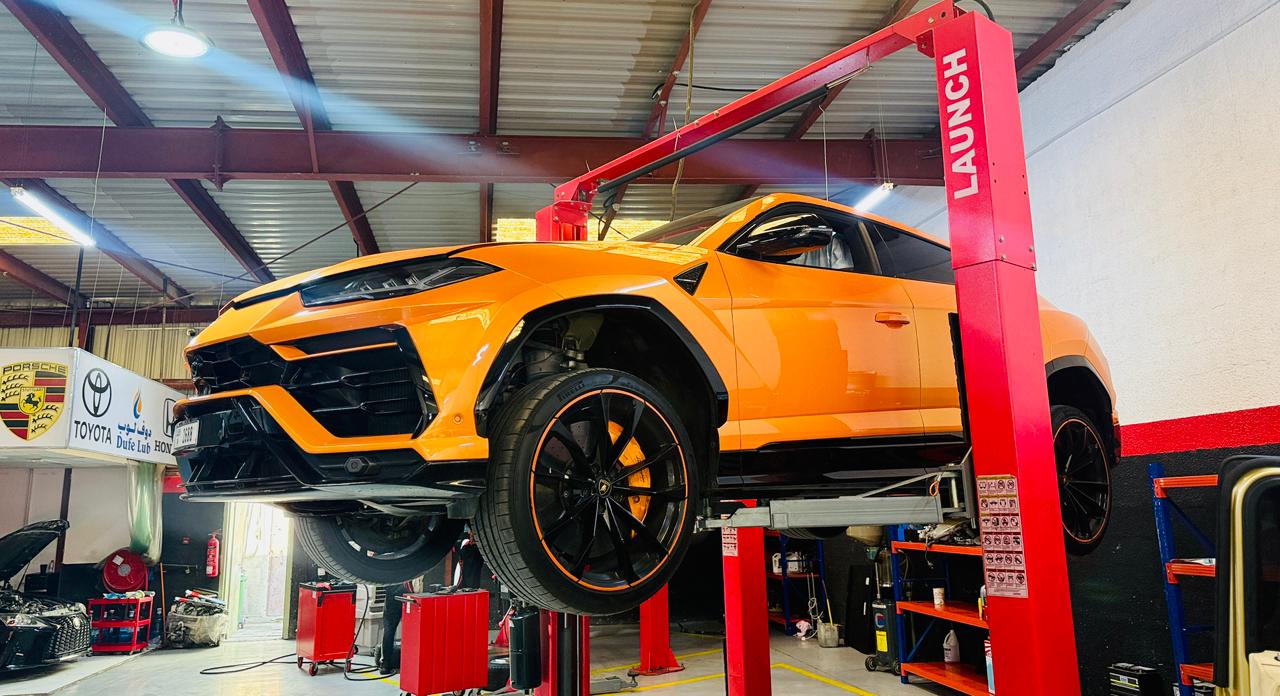
Protone Auto Care in Al Quoz, Dubai, provides Aston Martin repair and maintenance services covering engine repair, transmission repair, clutch replacement, battery service, diagnostics/software programming, AC repair, brake repair, suspension repair, oil service, cooling-system repair, body repair and more. The workshop also lists support for models including the Vantage, DB9, DBS, Rapide, Vanquish, DB11 and DBX.
Protone’s general workshop services also include computerized diagnostics, vehicle inspections, engine repair, transmission repair, suspension work, brake service and oil servicing.
For owners in Dubai, Protone also offers free vehicle pickup and delivery within Dubai, along with inspection and written estimates before repair work.
Get Professional Aston Martin Service in Dubai
If your Aston Martin is showing a warning light, unusual noise, fluid leak, rough gear shifts, braking issues, AC problems or any other sign of trouble, don’t wait until a minor issue becomes an expensive repair.
At Protone Auto Care, our Aston Martin repair and maintenance team in Al Quoz, Dubai, can help with professional diagnostics, routine servicing and repairs for models including the Vantage, DB9, DBS, Vanquish, Rapide, DB11 and DBX.
From engine and transmission repairs to brakes, suspension, AC, battery, oil service and computerized diagnostics, we provide comprehensive Aston Martin care under one roof.
Book Your Aston Martin Service with Protone Auto Care
Looking for a reliable Aston Martin garage in Dubai? Bring your vehicle to Protone Auto Care for a professional inspection and get the right repair recommendation based on your car’s condition.
Book your Aston Martin service today and let our team help keep your car performing at its best.
Protone Auto Care — Aston Martin Repair & Service in Dubai
📍 Al Quoz, Dubai
📞 Contact Protone Auto Care to book your appointment
🚗 Vehicle pickup and delivery available within Dubai